

Bog vs. Fen
An impenetrable difficulty


For several years now I have been an avid lover of bogs. I have sloshed through seasonal ponds, combing the grass for the white faces of bog violets or the sticky red pinpricks of sundews. I braved dehydration and heat exhaustion in the Florida panhandle to find an elusive pitcher plant bog. I have peeked into the cup-shaped leaves of Sarracenia, hoping to find vestiges of their latest meal. I have veered off the road in Apalachicola National Forest when I came upon a promising ditch filled with thread-leaved Drosera and pink Rhexia. I have hungrily prowled nature preserves in a quest for pine lilies (which I have seen many times!) and orange fringed orchids (which I have never seen despite three years of searching). Because of my inability to stay away from boggy ground, I have ruined at least three pairs of shoes, experienced two traumatic run-ins with seed ticks (didn’t learn my lesson the first time), and gotten lost countless times. My dog is even a “bog dog”.
Now imagine me, a card-carrying bog lover, suddenly learning that what I loved all along are not even bogs at all! I passed through the stages of grief. I endured rage, indignation, shock.
During my residency this summer at Cranberry Lake Biological Station in upstate New York, I was expressing my fondness for bogs to Terrance, the assistant station director. He promptly informed me that I didn’t love bogs, I loved fens. Bogs, apparently, mostly occurred in colder climates, in areas where glacial activity of the last Ice Age created pockets of species that usually occur further north. Fens would occur in the south, where I’m from.
I believe that there is no better word than “bog” to express the squelchy splendor of ground that oozes like a sponge when you step on it, where the water that seeps out is dark like coffee, where pollywogs transmogrify into frogs, where whimsical flowers peep pink and orange, where carnivorous plants slurp flies or trap gnats in the sludge. To me, a “fen” is a horrific place where swarms of flies lacerate your scalp. There, the Jabberwocky lurks. There, Grendel gurgles and burbles just out of sight.
Perhaps my outrage over a three-letter word is ludicrous. At any rate, I know I am not alone in my confusion over these terms. As I am planning to begin a series on the wonders of wetlands (bogs in particular), I thought it would be helpful to the reader to begin with a basic definition.
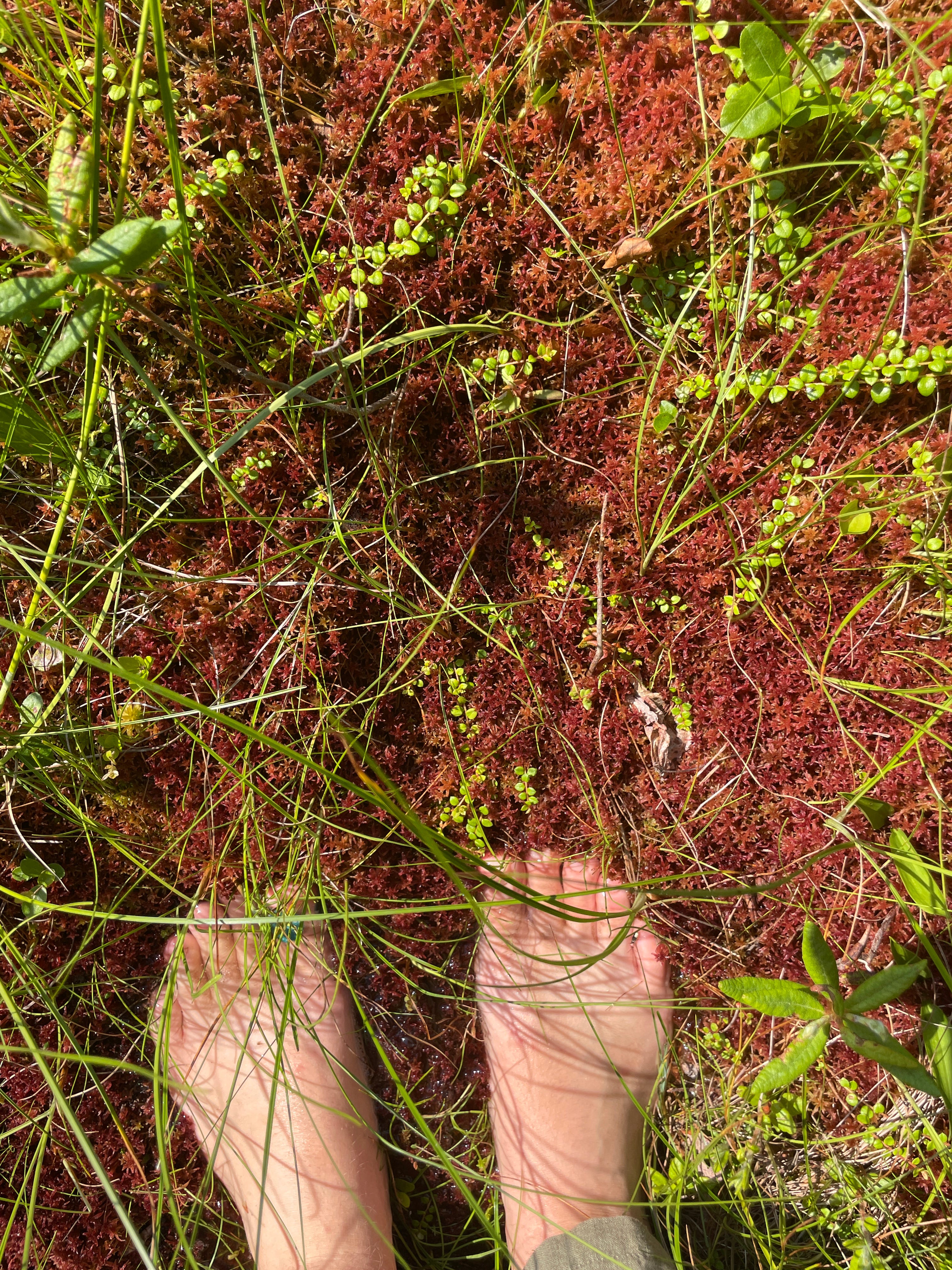
Bogs and fens are both considered a type of peatland - that is, a wetland that accumulates peat. Peat is partially decomposed organic matter that occurs in waterlogged, oxygen-deficient soils. Sphagnum moss is one of the more common constituents of peat, but really any organic matter will do. If you have ever gardened, you are probably familiar with peat, as it is a common component of potting soil mixes (although this is very unsustainable!). Between 50 to 70% of wetlands worldwide are peatlands1. These ecosystems store a third of the globe’s soil carbon, making them important to preserve in light of climate change.
Both bogs and fens are saturated with water year-round. What distinguishes them is where this water comes from. Bogs receive their only inputs from rain or other precipitation, and are typically nutrient poor and acidic. Fens, on the other hand, gain moisture and nutrients from groundwater, typically making them alkaline and richer in minerals.


There is enough similarity here to justify my confusion. In fact, I am not the only confused one. When I visited Cranberry Lake, I walked the trails around the station to reach a place labeled Forsaith Bog. Afterward, Terrance informed me it was indeed not a bog, but a fen, and a poor one at that. It had failed miserably at being both a bog and a fen.
The question remaining is, do the bogs - the bogs that I adore, the bogs that call me to romp in them - in Florida and the southeast truly count as bogs? I will leave that as a cliffhanger for next week, when I begin to share with you examples of the different types of bogs.
US Forest Service article on wetlands - much more information here if you are interested! https://www.fs.usda.gov/wildflowers/beauty/California_Fens/what.shtml
I too love bogs and fens! Their biodiversity is extraordinary (great for orchids and other rare plants over here in the UK).
I visited this bog (Wybunbury Moss) this year which is something of a rarity - a quaking bog or Schwingmoor, which is also extremely dangerous (one could easily get oneself killed if they stray off the path).